Should I listen to my heart or my feet?
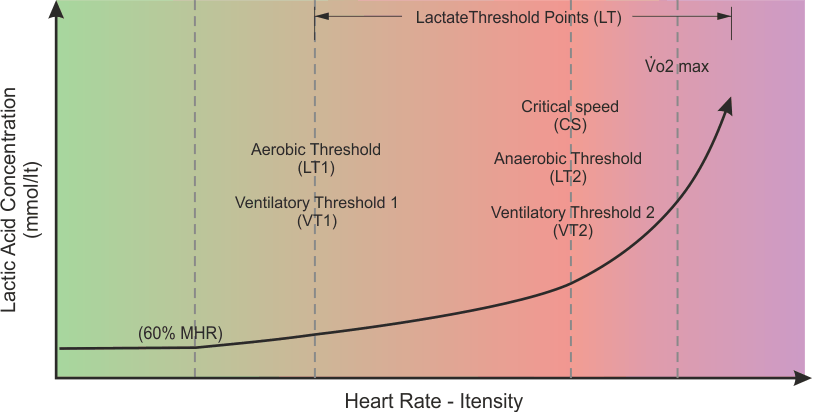
How many amateur runners have not wondered at least once whether they should run in training guided by heart rate or running pace. Which is the right one? Is there a right and a wrong answer to this question?



How many amateur runners have not wondered at least once whether they should run in training guided by heart rate or running pace. Which is the right one? Is there a right and a wrong answer to this question?
For designing the training plan and determining the pace of individual workouts, I think it doesn't matter...
It is very important when designing a training plan for a long-distance race to know the MHR of the athlete for whom…
There is often a debate about whether we can/should run on an empty stomach. Questions also arise about when and during which workouts it is not bad to run on an empty stomach and what are the benefits of doing so?
In my years of running, I have noticed three mistakes that amateur runners and young long-distance athletes often make that ultimately cost them. The training plan is the imprint of …
In my opinion, it is essential that the breaks between the fast runs of interval training are not static. They should be performed in a relaxed…

There has been a lot of talk in recent years about super shoes. Is it a coincidence that records are constantly being broken on public roads? How much of a role do shoes and the technology that big companies develop and apply to them play?
Running drills are dynamic exercises that mimic the movements of running. The benefits are many. They improve running economy, help maintain running frequency, short ground contact time, improve muscle flexibility, warm up the muscular system, improve speed and power.